

How to Build a Gym Routine Around Your Work Schedule
07 Jul 2025
Why Consistency Matters More Than Time
In today’s fast-paced world, finding time for the gym can feel like a luxury, especially if your days are packed with meetings, deadlines, and family responsibilities. But the truth is, you don’t need hours of free time to make fitness work. What matters most is building a consistent routine that fits around your life.
A solid gym habit can not only improve physical health, but also help reduce stress, increase energy levels, and boost mental clarity, which are all key benefits for working professionals.
Step 1: Define Your Weekly Availability Honestly
Before choosing a workout split or booking classes, start by looking at your weekly calendar realistically. Where are the windows of opportunity?
Ask Yourself:
- Do you have 30–45 minutes before or after work?
- Could a lunch-hour session be possible once or twice a week?
- Are weekends more flexible?
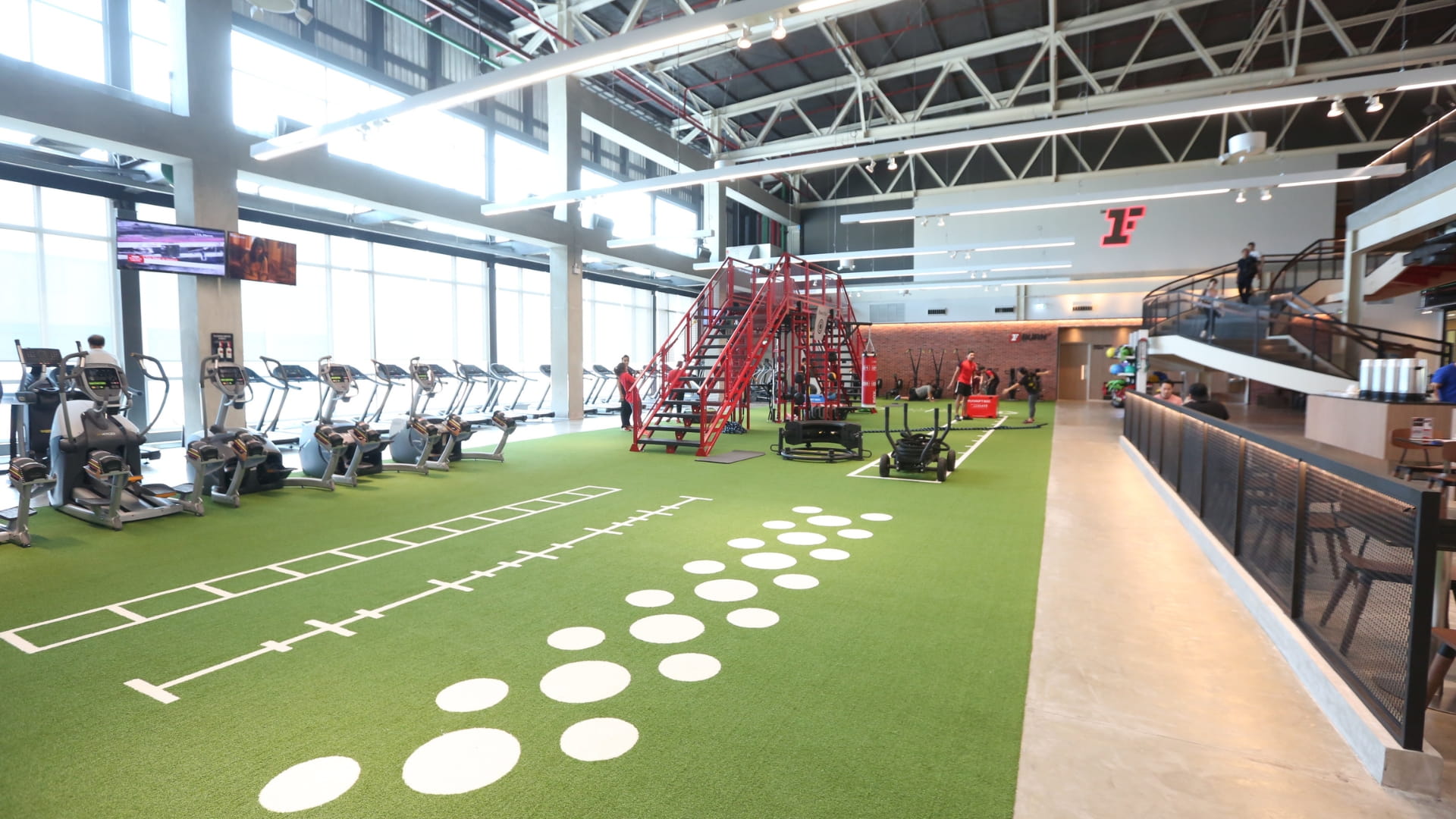
Fitness First clubs across Asia offer early morning, lunchtime, and evening sessions, including express classes and flexible gym access to match varied schedules. Identify where movement fits, even in small blocks such as 20 minutes.

Step 2: Choose the Right Training Frequency
You don’t need to train every day to see results. For most people with full-time jobs, 3-4 gym sessions a week is more than enough when done with purpose.
Popular Schedule Examples:
- 3 Days/Week: Full-body workouts (e.g. Monday, Wednesday, Friday)
- 4 Days/Week: Upper/lower body split (e.g. Monday, Tuesday, Thursday, Saturday)
- Short Daily Sessions: 30-minute sessions each weekday, focusing on different muscle groups or training goals
The key is quality over quantity. Make your gym time count.
Step 3: Mix Flexibility with Structure
Routine is important, but rigid plans often fail when real life gets in the way. Build flexibility into your training so missing a day doesn’t derail your momentum.
Smart Adjustments Could Include:
- Swapping a strength day with a cardio session if you’re short on time
- Attending a quick group class when you need guidance and structure
- Doing a short bodyweight session at the gym instead of skipping completely
A flexible mindset keeps your momentum going, even on busy weeks.
Step 4: Prep Your Week Like You Prep Your Meetings
Planning your gym schedule just like you plan your meetings or deadlines makes it far more likely to happen.
Tips to Stay Committed:
- Block out gym time on your calendar, treat it like a non-negotiable appointment
- Pack your gym bag the night before to reduce decision fatigue (you could go one step further by putting it in your car if you drive to work)
- Choose clubs with convenient access near your office or home
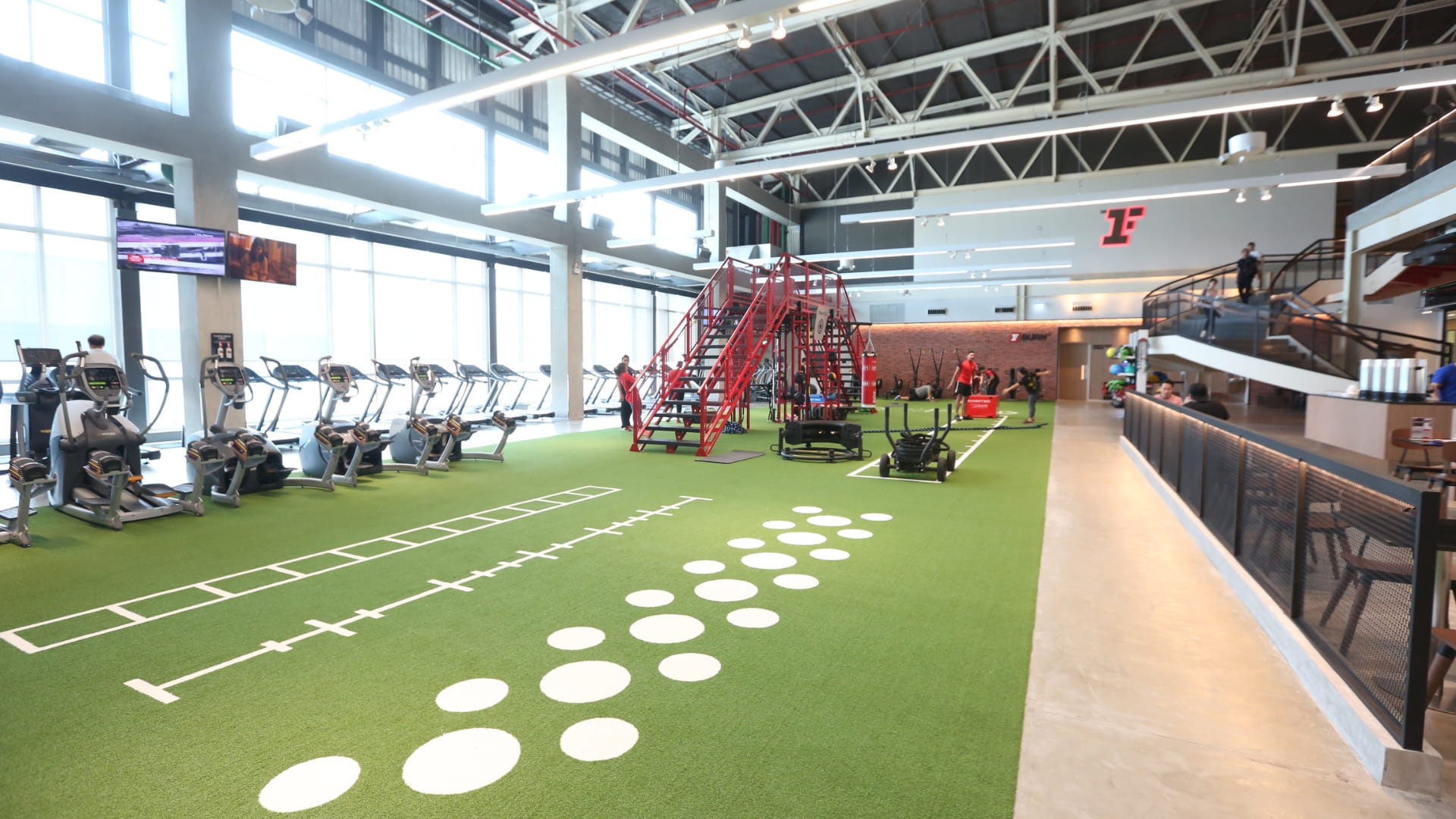
Fitness First locations often sit close to central business hubs and residential areas across Asia, making it easier to keep gym visits part of your regular routine.
Did You Know? A dual access membership means you get access to Celebrity Fitness - which means more locations and group exercise classes to help you stay on track.
Step 5: Keep It Sustainable, Not Perfect
One of the most common reasons professionals give up on the gym is expecting perfection: five intense workouts every week, perfect sleep, zero missed sessions. That’s simply not sustainable for most people with full-time responsibilities.
Instead, focus on building a base. A short, 30-minute session that fits your lifestyle and can be repeated week after week will do far more for you long-term than an ambitious plan that collapses under pressure.
Bonus Tip: Pair Gym Time with Stress Relief
For many hardworking professionals, gym time isn’t just about physical fitness, it’s also their chance to mentally reset. Choose workout styles or times of day that feel good, not forced. You might prefer:
- Strength sessions in the morning to energise your day
- A calming Mind & Body style class after work to unwind
- A quick cardio blast during lunch to shake off midday fatigue
The best gym routine is one that supports your lifestyle and your energy, not one that adds more pressure to your already full plate.
Balancing your work life with a gym routine doesn’t require major sacrifices, it just needs a bit of realistic planning, habit-building, and flexibility. Start with what you can commit to. Don’t overcomplicate it. And most importantly, listen to your body and your schedule.
Whether you're training before sunrise, between meetings, or on weekends, there’s always a way to make fitness fit. Even small sessions done consistently will move you closer to your goals, one week at a time.