Foam Rolling 101: How to Relieve Muscle Pain After the Gym
14 Apr 2026
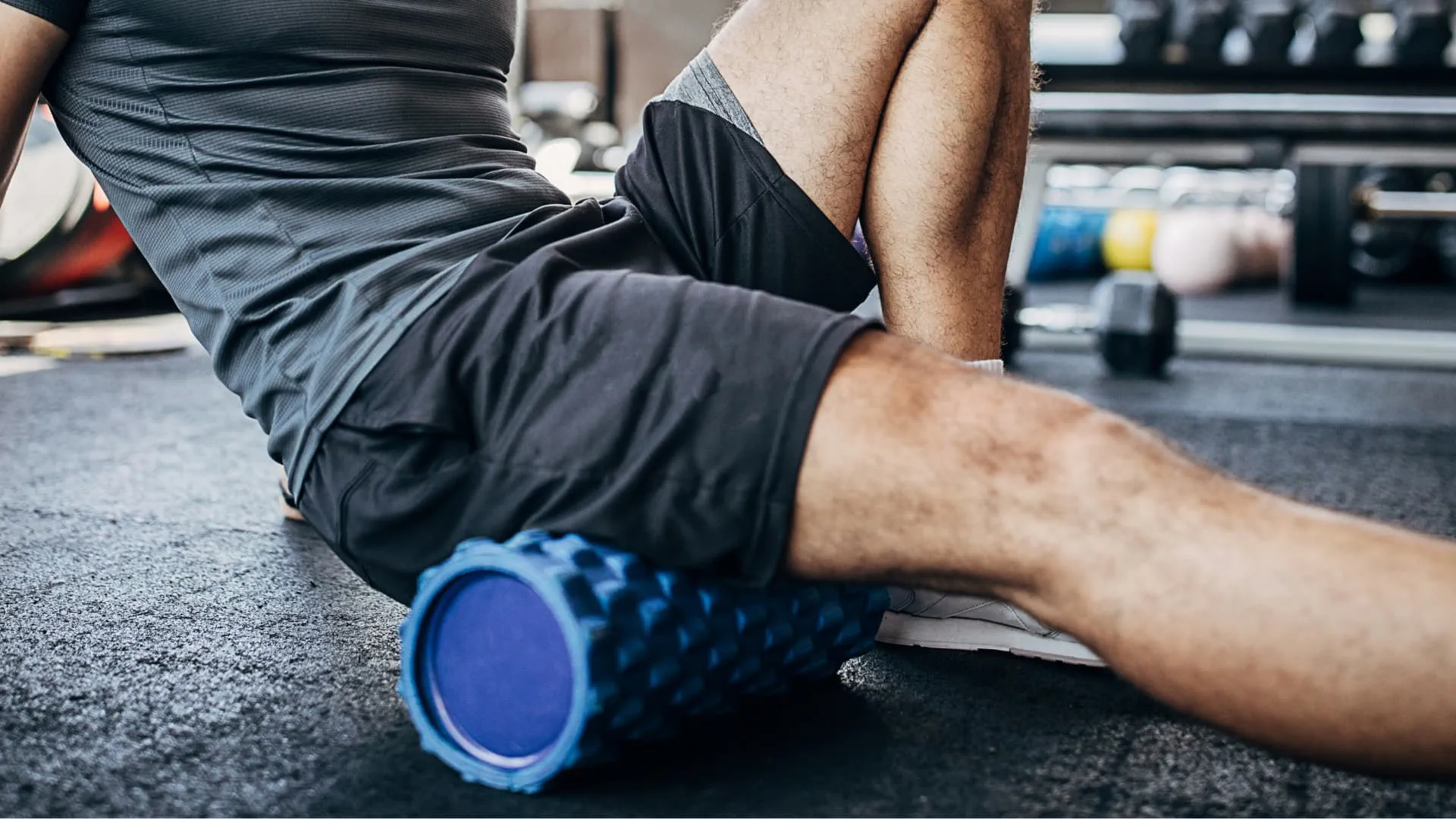
Foam rolling uses a cylindrical roller and your own body weight to release muscle tension, improve blood flow, and reduce post-workout soreness, and 10 to 15 minutes is enough to feel the difference. When we think about fitness progress, we fixate on the session itself. Lifting heavier. Running farther. Pushing harder. But what happens after you train shapes your results just as much.
Recovery is not the pause between the real work. It is part of the real work. And foam rolling is one of the simplest, cheapest, most effective recovery tools you have, used by elite athletes and complete beginners alike. Better still, it is already waiting for you in the recovery zone at Fitness First Philippines.
This guide covers what foam rolling actually does, the benefits worth knowing, a beginner routine you can run today, the mistakes that make it useless, and how to choose the right roller.
What is foam rolling?
Foam rolling, known more formally as self-myofascial release (SMR), uses a cylindrical foam roller to target tight areas in your muscles. It applies controlled pressure to "knots", the small adhesions that form when your body is under stress from training, from sitting at a desk for nine hours, or from skipping stretching for months on end.
By rolling slowly over specific muscles and letting your body weight do the work, you:
- Release tension
- Break up adhesions
- Improve flexibility
- Reduce inflammation
It is a hands-on way to give your body the attention it deserves, without the expense of regular massage therapy.
Try our recovery zone for yourself
Rollers, recovery tools, and coaches who will show you how to use them properly. Come train with us free and feel the difference a real recovery routine makes.
| ✓ Full club access | ✓ No strings attached | ✓ Book in minutes |
Already a member? Talk to a coach about your recovery
The benefits of foam rolling after a workout
If you are new to it, here is what consistent practice actually delivers.
It reduces muscle soreness. That ache 24 to 48 hours after a hard session has a name: DOMS, or delayed onset muscle soreness. Foam rolling helps manage it by encouraging blood flow and flushing out metabolic waste.
It helps prevent injury. Tight muscles pull and strain more easily. Keeping your tissue loose and mobile means you move better and stay safer under load.
It improves your range of motion. When your hips, hamstrings or back are locked up, your form suffers, and bad form is where injuries start. Rolling loosens the key areas so you can squat deeper, move cleaner, and lift safer.
It speeds up recovery. The faster you recover, the more consistently you can train. And consistency, not intensity, is what actually builds results over months.
Recovery works as a system, not a single trick. Foam rolling handles your tissue quality, but sleep does the deep repair work, and most people neglect it entirely. Getting sufficient sleep is the other half of the equation. Need some help in that area? Our sleep tips will help you get started.
| How long should you foam roll?10 to 15 minutes. Hold tight spots for 20 to 30 seconds while breathing deeply. |
| Before or after a workout?Both. Light and fast before to activate. Slow and deep after to recover. |
| Should it hurt?Moderate pressure, never sharp pain. Never roll over joints or bones. |
| Which roller for beginners?Soft density to start. Medium is the best all-rounder. Textured is for experienced users. |
A beginner-friendly foam rolling routine
You do not need to donate an hour to recovery. Ten to fifteen minutes will do it. Focus on the major muscle groups you actually used in that session:
- Quads. Lie face-down with the roller under your thighs. Roll slowly from hip to knee.
- Hamstrings. Sit with the roller under your thighs, hands supporting behind you. Roll from glutes to knees.
- Calves. Sit upright with the roller under your lower legs. Cross one ankle over the other to add pressure.
- Glutes. Sit on the roller, cross one leg over the other, and lean into the glute on that side.
- Upper back. Lie with the roller under your shoulder blades. Support your head and roll gently from shoulders to mid-back.
Hold on tight spots for 20 to 30 seconds while breathing deeply. And never roll directly over joints or bones.
Common mistakes to avoid
- Rolling too quickly. Slow and controlled is the whole point. Speeding through it does very little.
- Grinding away at painful areas. Apply moderate pressure. Do not force it.
- Holding your breath. Deep breathing is what lets the muscle release.
- Rolling once a week. Like training itself, consistency is what builds the result.
- Treating it as a replacement. Foam rolling complements your warm-up and cool-down. It does not replace either.
Here is the pattern our coaches see most often. Someone rolls flat out for two minutes, feels nothing, and writes the whole thing off as a gimmick. Then we slow them down, hold one genuinely tight spot for thirty seconds with proper breathing, and the difference lands immediately. Foam rolling rarely fails because it does not work. It fails because it is rushed. If you are unsure about your technique, ask a Fitness First coach on the floor. They will happily walk you through it.
Should you foam roll before or after a workout?
You can do both. Each serves a different job.
- Before: use lighter, faster rolls to activate the muscles and prepare your body to move.
- After: go deeper and slower to aid recovery and release the tightness the session created.
If you only have time for one, roll after. That is where most people feel the biggest difference in how they wake up the next morning.
How to choose the right foam roller
Rollers come in different textures and firmness levels, and the right one depends on where you are starting:
- Soft density. Best for beginners or anyone with sensitive muscles.
- Medium density. The all-purpose choice, and the right call for most people.
- Textured or high-density. Deep, targeted pressure for experienced users working on stubborn knots.
Fitness First Philippines clubs offer a range of rollers in the recovery and stretching zones, so you can try a few and find the density that suits you before buying anything.
Where foam rolling fits in your week
Recovery is not a separate hobby. It belongs inside your training week. Roll after your harder sessions, use it on rest days when you feel stiff, and pair it with training that builds mobility rather than fighting it. Low-impact, control-focused work is a natural partner here, which is why our guide on the benefits of Pilates is worth a read if you want to improve how well you move, not just how hard you train. You can find both in our group fitness classes, or check the timetable to plan your week around them.
And if consistency is your real sticking point rather than technique, that is worth naming honestly. Our guide on how fitness builds self-confidence covers why showing up gets easier once the results start compounding.
Not ready to commit? Try FitPass.
Commitment-free access to Fitness First Indonesia clubs and classes, with no long-term contracts. Buy flexible credits and use one each time you train.
Recover smarter, train harder
You do not need to be wrecked every week to make progress. That is an old idea, and not a useful one. With the right recovery habits your body bounces back stronger and faster, and you get to train again sooner. Foam rolling is simple, affordable and effective, and it takes minutes.
Make it part of your gym exit routine or your rest day. Your muscles will notice. So will your training.
Visit your nearest Fitness First Indonesia club and ask our team about the foam rolling zones and recovery tools available on-site. Or explore membership options to make recovery a permanent part of your week.
Frequently asked questions about foam rolling
What does foam rolling actually do?
Foam rolling, or self-myofascial release, uses a roller and your body weight to apply controlled pressure to tight muscle. It helps release tension, improve blood flow, increase flexibility and reduce post-workout soreness. In practice, it makes your muscles move better so you can train consistently, which is what drives long-term progress.
Should you foam roll before or after a workout?
Both work, for different purposes. Before training, use lighter, faster rolls to activate muscles and prepare for movement. After training, go slower and deeper to aid recovery and reduce tightness. If you only have time for one, roll after your session.
How long should you foam roll for?
Ten to fifteen minutes is enough. Focus on the major muscle groups you actually worked. Hold tight spots for 20 to 30 seconds while breathing deeply, then move on. Consistency matters more than duration.
Does foam rolling help with muscle soreness?
Yes. The ache 24 to 48 hours after a hard session is delayed onset muscle soreness (DOMS). Foam rolling helps manage it by encouraging blood flow and flushing metabolic waste. It will not remove soreness entirely, but it noticeably reduces stiffness.
Is foam rolling supposed to hurt?
It should feel like moderate, tolerable pressure, not sharp pain. Some discomfort on tight spots is normal, but forcing through real pain is counterproductive. Never roll directly over joints or bones. If an area is consistently painful, ease off or ask a coach to check your technique.
Which foam roller should a beginner use?
Start with a soft density roller, gentler on sensitive muscles. Medium density is the best all-purpose choice once you're used to the sensation. Textured or high-density rollers deliver much deeper pressure and suit experienced users targeting stubborn knots.