
Your Protein Target, Worked Out in Seconds
30 Sep 2026
Most people need between 1.6 and 2.2 grams of protein per kilogram of body weight per day to build muscle or lose fat, and around 0.8 to 1.2g per kg for general health. The exact number comes down to one thing: your goal.
Forget the vague advice to just "eat more protein." A quick calculation gives you a real target to aim for.
Here's how to find yours.
| General health | 0.8 to 1.2g per kg |
| Fat loss (keep muscle) | 1.6 to 2.2g per kg |
| Build muscle | 1.6 to 2.2g per kg |
| The formula | Your weight (kg) × the number above = daily grams |
How do I calculate my protein needs?
Take your weight in kilograms and multiply it by the number for your goal. That's it.
Say you weigh 70kg and you're training for fat loss while holding on to muscle. That's 70 × 1.6 to 2.2, which lands you at roughly 112 to 154 grams of protein a day. Building muscle at 60kg? 60 × 1.8 is about 108 grams. Just want to stay healthy at 80kg? 80 × 1 is a straightforward 80 grams.
One tip that matters more than the exact total: spread it across your day rather than loading it all into dinner. Aiming for 25 to 40 grams at each main meal helps your body actually use it, instead of processing a single large hit.
Get a target built around your body
Book a consultation at Fitness First and start with a body composition assessment, so your protein, training and nutrition are dialled in to your real numbers, not a rough guess. A coach turns the reading into a plan you can actually follow.
Book a PT consultationNot sure what's involved? See what a first session looks like
Why the number changes with your goal
Protein does a few different jobs, and which one matters most shifts with what you're training for. That's why the target moves:
- Losing fat? Eating plenty of protein protects the muscle you've already built, so the weight coming off is fat and not the muscle you worked for.
- Building muscle? Protein is the raw material your body uses to lay down new tissue after a hard session. Come up short and you cap your own progress.
- Just staying healthy? A steady, moderate amount keeps you strong and full, which quietly makes everything else easier.
And whatever the goal, protein is the most filling of the three macros, so it keeps hunger in check better than carbs or fat do. If you want the full story on what it does in the body, the benefits run well beyond muscle, and it works hand in hand with the foods that keep your energy steady through the day.
| How much protein per day?0.8 to 1.2g per kg for health; 1.6 to 2.2g per kg for fat loss or muscle gain. |
| How do I work it out?Body weight in kg × the number for your goal. 70kg for fat loss = 112 to 154g. |
| When should I eat it?Spread it out. Aim for 25 to 40g per main meal rather than one big serving. |
| Can I have too much?Past ~2.2g per kg it stops adding benefit for most people. It won't harm healthy kidneys. |
Where to get it
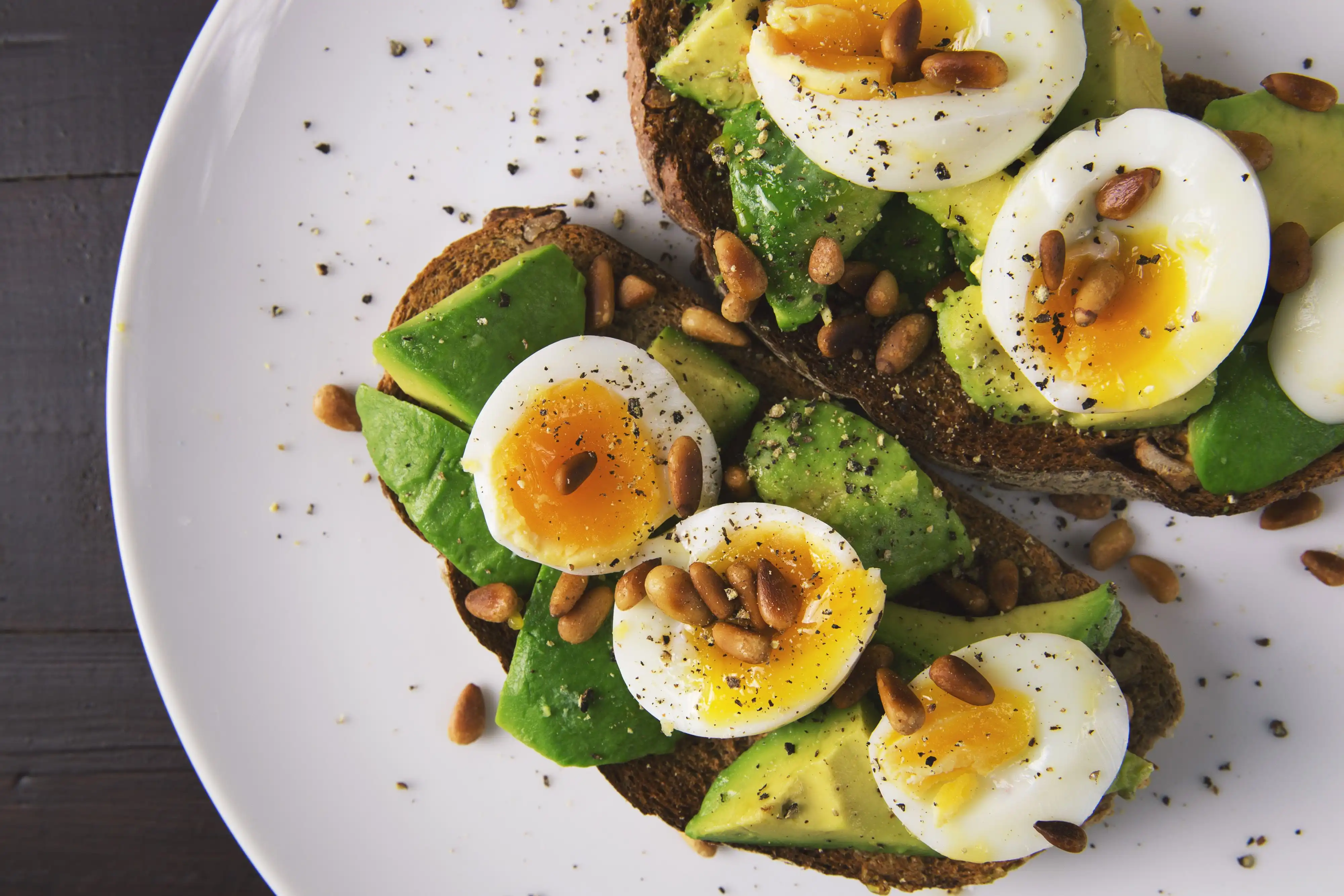
You don't need powders and shakes to hit your target, though they can help. Everyday foods do most of the work: chicken, fish, eggs, dairy, tofu, tempeh, lentils, beans and chickpeas all carry a solid protein punch. A palm-sized portion of a protein-rich food at each meal is a simple visual guide if you'd rather not weigh anything. Fitting it into a genuinely balanced plate is what a mindful approach to eating is all about, and it makes hitting your number feel far less like a chore.
Getting your number exactly right
The calculations above use your total body weight, which works fine for most people. There's one wrinkle, though. If you're carrying more body fat, working from total weight can push the number too high, because fat tissue doesn't need protein the way muscle does. If that's you, base the sum on your lean or target weight instead and you'll get a figure that actually fits.
That's the bit guesswork tends to get wrong, and it's the main reason a body composition assessment is worth doing. Instead of estimating, you get a real reading of your muscle and body fat, which turns a rough number into one built around your actual body rather than the scale. It also tells you how to balance losing fat and building muscle, which is where most people's real goal sits anyway.
The short version
Multiply your weight in kilograms by the number for your goal: around 1 for general health, 1.6 to 2.2 for fat loss or muscle. Spread it across your meals, lean on everyday whole foods, and if you want the number exactly right, get a body composition reading rather than working from the scale alone. Simple, specific, and built around you.
Try Fitness First for free
Come and experience a club for yourself, meet the coaches, and see how the right plan makes the numbers fall into place.
Frequently asked questions
How much protein do I need per day?
It depends on your goal. For general health, aim for around 0.8 to 1.2 grams of protein per kilogram of body weight per day. For fat loss while keeping muscle, aim for 1.6 to 2.2g per kg. For building muscle, also aim for 1.6 to 2.2g per kg. Multiply your body weight in kilograms by the number for your goal. A 70kg person aiming for fat loss would target roughly 112 to 154g a day.
How do I calculate my protein needs?
Take your body weight in kilograms and multiply it by the grams-per-kilogram figure for your goal. A 60kg person building muscle at 1.8g per kg needs about 108g of protein a day (60 x 1.8). Spread that across your meals rather than eating it all at once. If your body fat is high, base the calculation on your target or lean weight, which is where a body composition assessment helps.
Can you eat too much protein?
For most healthy people, eating more protein than you need isn't harmful, but it stops being useful past roughly 2.2 grams per kilogram of body weight, because your body can only use so much for building and repair. The extra is simply used for energy or stored. If you have a kidney condition, check with a doctor before significantly increasing your protein intake.
Related Articles

How to Read Real Fitness Progress Like a Coach
18 Aug 2026
.jpg)